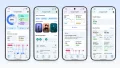
If your Resilience score has been parked at "Low" since May, it probably wasn't your training, your sleep, or your stress. It was the app.
Google Health 5.12 started rolling out this week on Android and iOS, and buried under the blood pressure and pregnancy features is the line that matters most to anyone wearing a Pixel Watch: Google says it fixed an issue that was causing Resilience scores to skew artificially low.
That's a quiet confession, and a real one. The numbers were wrong for months.
What 5.12 actually changes
Here's the list, straight from the release notes and the write-ups at 9to5Google and Android Police:
- Resilience scores recalculated. Google says the fix also affects numbers you've already recorded, so historical scores should shift up.
- Manual blood pressure logging. You can log a reading yourself, or pull readings in from another app through Apple Health or Health Connect.
- Blood pressure graphs. They now live in the Health tab under Heart.
- A new glucose view. Logged and tracked events (exercise, sleep, nutrition) get overlaid on the glucose graph, and you can log events directly from the graph in the Metabolic Health section.
- Pregnancy logging. Set it in Cycle Health and the app pauses your cycle predictions and period notifications, then switches that page to show weeks of pregnancy.
- Grouped meals. Food logged inside the same 60-minute window now gets grouped instead of stacking up as separate entries.
- NHS records in England. Android Police spotted a sync with Patients Know Best for pulling in records from NHS organizations.
A couple of those are Premium features. Logging blood pressure by chatting with the Google Health Coach, and the pregnancy personalization inside coach conversations, both need a Google Health Premium subscription.
The Resilience fix is the story
Resilience is the renamed Fitbit Stress Management score. In a reply to users in the Fitbit community, Google's support team confirmed the rename and said the metric now sits under Mental Wellbeing in the Health tab.
Renaming it was fine. The problem was that it stopped working.
Owners have been reporting the same thing for months. One user noted that their score read "balanced" or "optimal" all the way to May, then flipped to "Low" and stayed there. Another thread put it more bluntly: "Pretty much all of us that had average scores have been stuck with consistently low scores and it doesn't appear to respond to our actual contributing factors."
May is when the Fitbit app became the Google Health app. That timing is hard to read as a coincidence.
For anyone who actually uses the metric to decide whether to push or back off, a score that reads low every single day is worse than no score at all. It doesn't just look bad. It trains you to ignore the card entirely, which is the opposite of what a recovery metric is for.
Why blood pressure logging matters for Pixel Watch owners
Google's Health Guardian features already put estimated blood pressure trends on Pixel Watch 3, 4 and 5, and the company has been clear that those are trends rather than medical measurements.
Manual logging fills the obvious gap. If you have a blood pressure cuff at home, you can now put a real reading into the same timeline as the watch's estimate and see how far the two drift apart. That's the practical way to sanity-check a feature Google sells as an early warning rather than a diagnostic.
The Apple Health and Health Connect sync is the more interesting half. It means a reading taken on a different device, or logged in a different app, can land in Google Health without you re-typing it. For people who already bounce between a watch and a phone-based health stack, that closes a seam that has been open for a long time.
What this update doesn't fix
5.12 is an app release, not watch firmware. Nothing here changes what your Pixel Watch measures or how it measures it, and the watch build stays where it was.
That distinction matters because some of the loudest complaints since the rebrand aren't about scores at all. Pixel Watch 3 owners have posted about sleep tracking dropping out entirely after the Google Health migration, and about resting heart rate failing to appear in the app even when the watch shows it. Those are data pipeline problems, and a score recalculation won't touch them.
If your Resilience number was the thing that looked broken, this update is aimed at you. If your sleep simply stopped recording, 5.12 is not the fix and it's worth reporting through the app rather than waiting for the next release.
For context on how the two platforms now talk to each other, our look at the Fitbit-to-Apple Health sync covers the plumbing, and the insulin resistance tracking piece explains what Google is actually estimating from your wrist data. If you're still deciding whether the watch side is worth it, this breakdown of Google ending free emergency LTE on older Pixel Watches is the kind of thing that should factor in.
Bottom Line
Google Health 5.12 is a maintenance release with one genuinely important line item. The Resilience score that has been lying to Pixel Watch and Fitbit owners since May is being recalculated, historical numbers included, and that alone makes the update worth installing.
The blood pressure logging and glucose overlay are useful additions for people who already track those things manually. Neither turns the watch into a medical device, and Google keeps saying so in its own footnotes. Pick up a Pixel Watch 5 and you're still buying a fitness wearable, not a monitor.
The part worth watching is whether the recalculated scores actually move for the people who have been stuck on Low for six months. That's a question the next few weeks of Reddit threads will answer faster than any release note.
Sources: 9to5Google, Android Police, Android Authority, Google Health Help Center, r/fitbit Resilience thread.