


Garmin is preparing for a big year in outdoor wearables. During the company's Q4 2025 earnings call, CEO Cliff Pemble dropped hints that have the fitness tech community buzzing: the Fenix 9 is almost certainly coming in the second half of 2026.
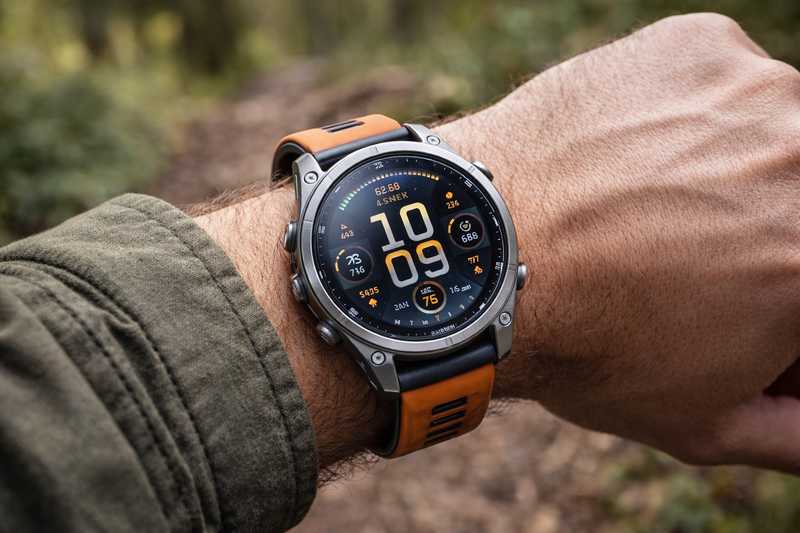 Concept art showing potential Fenix 9 design (AI generated for illustration purposes)
The Writing on the Wall
Pemble stated that Garmin expects "full year growth in Outdoor to accelerate in 2026 compared to 2025, driven by a significant number of new product introductions." He went on to say they "expect stronger performance in the back half of the year due to the timing of product launches."
When pressed by analysts about whether this signaled a Fenix launch, Pemble neither confirmed nor denied—instead doubling down on the message that "many of our launches would occur in the back half of the year."
This aligns perfectly with Garmin's recent release cadence. The Fenix 8 launched in August 2024, followed by the Fenix 8 Pro in September 2025. A Fenix 9 arriving in late summer or early fall 2026 would maintain the company's now-established 12-month flagship refresh cycle.
The Business Case for Fenix 9
The timing makes business sense for Garmin on multiple fronts. The outdoor segment—which includes Fenix, Instinct, and related watches—saw flat growth in Q4 2025 and only 5% growth for the full year. This is underwhelming compared to the 33% growth in the fitness segment, which includes Venu, Forerunner, and Vivoactive.
With the outdoor segment carrying the highest operating margin in the company at 66%, a compelling Fenix 9 launch in H2 2026 would address the growth gap while maintaining those premium margins. The product would also reassure investors that Garmin's flagship franchise isn't structurally slowing—a critical concern for a company whose stock price often moves on Fenix cycle news.
There's also the competitive pressure to consider. Apple and Samsung have been aggressive with their Ultra watch lines, and while Garmin dominates the dedicated sports watch market, the lines between fitness trackers and premium smartwatches continue to blur. A fresh Fenix 9 helps maintain mindshare among serious athletes and outdoor enthusiasts who might otherwise be tempted by the Apple Watch Ultra or Samsung Galaxy Watch Ultra.
The Fenix Evolution: A Quick Recap
To understand where the Fenix 9 might go, it's worth looking at how the line has evolved:
- Fenix 6 (2019): Established the multi-sport flagship standard, introduced solar charging options
- Fenix 7 (2022): Added touchscreen and LED flashlight
- Fenix 7 Pro (2023): Introduced backlit MIP display and brighter LED
- Fenix 8 (2024): First with AMOLED display and speaker/microphone
- Fenix 8 Pro (2025): Introduced MicroLED, first to drop MIP option
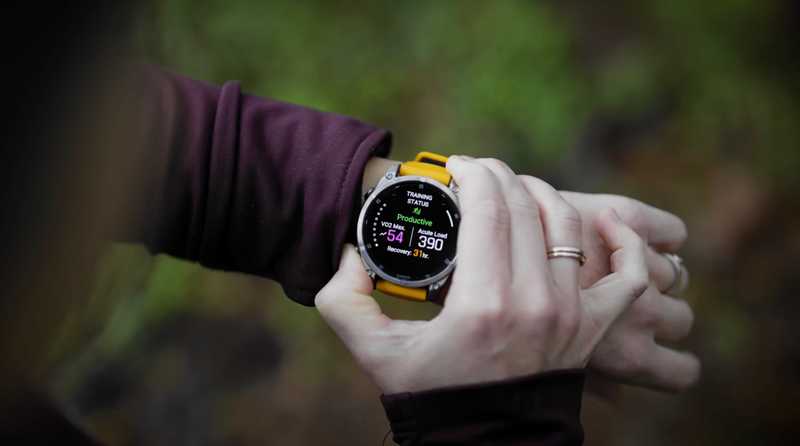 The Fenix 8 (shown) and Fenix 8 Pro set the stage for what comes next
Each iteration has pushed the boundaries on battery life, display technology, and feature set. The Fenix 9 will likely continue that trend while addressing some of the user criticisms that have emerged.
What Could the Fenix 9 Bring?
While nothing is confirmed, industry insiders and reviewers have high hopes for the next generation:
Display Options: The Great MIP Debate
The Fenix 8 Pro introduced MicroLED but dropped the traditional MIP (memory-in-pixel) option entirely. This upset a vocal segment of the Fenix loyal base who prefer MIP for its sunlight readability and battery efficiency.
Many hope the Fenix 9 might offer a choice between MIP, AMOLED, and MicroLED—giving users the outdoor readability they want without sacrificing the option for a vibrant AMOLED experience. Alternatively, Garmin could release an Enduro 4 as the MIP alternative to the Fenix 9, reviving the Enduro line as the battery-focused alternative.
The Return of Smaller Sizes
The Fenix 8 Pro only came in larger case sizes (47mm and 51mm), leaving users with smaller wrists wanting. While the standard Fenix 8 offered a 43mm option, the Pro line went big. A return to a more compact option in the Fenix 9 Pro would broaden the watch's appeal—particularly among female athletes and those with narrower wrists who have been underserved in recent generations.
Solar AMOLED: The Holy Grail
Garmin's Power Glass solar charging currently only works with power-sipping MIP displays. The technology cannot offset the power consumption of AMOLED screens in their current form. If the company can crack solar charging for AMOLED, it would be a major innovation—and potentially signal the end of MIP displays entirely.
This would allow Garmin to offer the best of both worlds: an AMOLED display that looks brilliant indoors while still achieving respectable battery life through solar charging. It's a technical challenge that competitors have yet to solve, and doing so first would be a significant competitive advantage.
A Faster Processor
The Fenix 8 Pro responds pretty quickly when you're navigating the menus and loading maps, but it could definitely be snappier. A faster processor would make the process of panning around Garmin's impressive maps feel more fluid—particularly important for trail runners and hikers who rely on navigation features.
Smartwatches on a yearly update cycle almost always include a processor upgrade as part of a new model, and this is becoming more common on sports watches too. A more powerful chip could also enable on-device machine learning for advanced training features.
Free or Reduced-Cost SOS Alerts
Google and Apple launched watches with satellite connectivity in 2025, and both offered SOS alerts that were free for two years. Garmin's approach requires a paid subscription for satellite safety features, which can be a hard sell at $15 per month or $150 per year for the InReach subscription.
While Garmin's satellite service offers more comprehensive global coverage than competitors, the cost barrier prevents some users from taking advantage of potentially lifesaving technology. Making basic SOS alerts free or included would be a significant differentiator.
Blood Glucose Monitoring
Non-invasive blood glucose monitoring is something all smartwatch makers seem to be investigating, but it's yet to appear in any consumer device at scale. If watches could monitor blood glucose levels through lights and sensors, it would most importantly be a potential life-saver for diabetics, but also handy for endurance athletes tracking their fueling and trying to avoid bonking during long training sessions and races.
While unlikely for the Fenix 9 given the technical challenges, it's on everyone's wish list for the near future.
Competitive Landscape
The Fenix 9 won't launch into a vacuum. Here's what Garmin is up against:
Apple Watch Ultra 3: Apple's latest offers improved battery life and satellite connectivity, though it remains a more lifestyle-focused device compared to Garmin's dedicated sports focus. The integration with Apple's health ecosystem is unmatched, but serious athletes often find Apple's sports tracking lacking compared to Garmin's depth.
Samsung Galaxy Watch Ultra: Strong competitor in the Android space with sleek design and decent sports tracking, though Samsung's focus remains broader than dedicated athletics. Samsung has closed the gap on some features but still trails Garmin in battery life and advanced navigation features.
Coros: Has been aggressive on battery life and price, offering compelling value propositions particularly with the Pace 3 and Vertix 2. However, they lack Garmin's ecosystem depth and mapping capabilities.
Polar: Continues to offer compelling optical heart rate technology and training analysis features but has lost market share to Garmin in the premium segment. The Vantage V3 is a solid device but doesn't have the same breadth of features.
Garmin's advantage has always been depth—more sports profiles, better mapping, superior battery life, and an ecosystem that serious athletes depend on. The Fenix 9 will need to maintain that lead while addressing the gaps that have emerged.
The AI Factor
One area where we might see significant advancement is in training analysis and recovery recommendations. While Garmin already offers robust training status features, the integration of more sophisticated AI could take this to the next level. Competitors like Apple and Google are investing heavily in on-device AI, and Garmin will need to keep pace.
Satellite Technology
The inclusion of satellite messaging in the Fenix 8 Pro was a major step, and we can expect this feature to become more refined in the Fenix 9. Both Apple and Google have made big plays in this space, and Garmin will need to ensure its satellite offerings remain competitive—whether through improved messaging, better coverage, or more flexible subscription options.
Should You Wait?
For those considering a Fenix 8 Pro today, the writing is on the wall: a new flagship is months away. Whether to wait or buy now depends on your needs and timeline.
Buy now if:
- You need a watch for an upcoming race or event
- You're coming from a much older Fenix (5 or older)
- You find a great deal on Fenix 8 Pro
Wait if:
- You can hold out until fall 2026
- You're primarily curious about the latest features
- You're coming from a Fenix 7 or 8 and can tolerate your current watch
One thing is certain: Garmin's outdoor division is about to have its biggest year yet. Whether the Fenix 9 delivers on the hype remains to be seen, but based on CEO Pemble's hints, it should be worth the wait.